How Does A Hurricane Look In The Ocean
How Does A Hurricane Look In The Ocean. As the water vapor begins. When a hurricane comes by, it mixes everything up, resulting in a muddled and more homogeneous upper ocean.
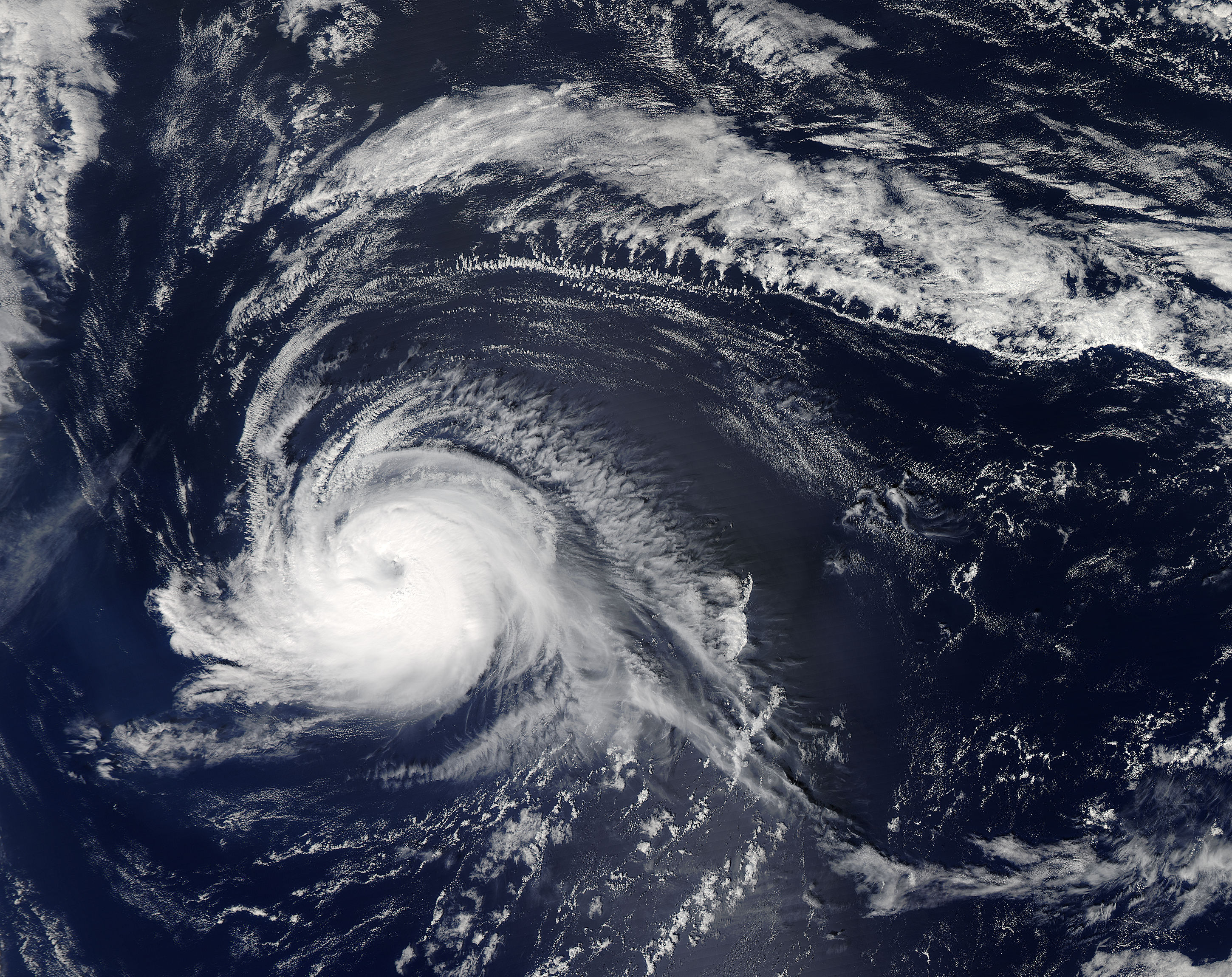
Basically, a hurricane is one that has winds exceeding 100 miles/hour. It is caused by an atmospheric circulation at a low level that is closed and is identified with a low-pressure center as well as the formation of a spiral of thunderstorms. Additionally, it causes storms with heavy rains and squalls.
Eyewall replacement cycleIn the event of a tropical storm that is intense, an entirely new eyewall will replace the old. The replacement eye can be much larger and stronger than previous eye. It's typically seen in significant hurricanes. This is also referred to as the Concentric Eyewall Cycle.
When a hurricane is in the middle of a cycle of replacement of the eyewall, the storm's intensity often reduces. This process can run longer than two days. A hurricane's eyeball could expand by five to fifteen miles in diameter. This can be a devastating disaster. However, accurate hurricane strength forecasts will help protect victims of a storm.
A hurricane usually goes through a range instances of replacing the eyes. The biggest eyewall is generally encountered in a high-end Category four hurricane. For the West Pacific, double eyewall structures are more common.
Saffir-Simpson scaleBased on the SaffirSimpson hurricane scale using the scale of Saffir-Simpson, hurricanes are classified into five categories according to wind speed. Winds sustained between 74 and 95 miles/hour are classified under Category One as are those with wind speeds exceeding 130 miles per an hour are classified as Category 5.
The scale for hurricanes is most commonly used on the continent of North America. It's used to estimate the strength of tropical cyclones in both the Atlantic as well as North Pacific oceans. It is typically used for rating hurricanes and estimating the damage that they can cause to property.
The hurricane intensity scale was a United Nations project that was adapted in the early 1970s with the help of Robert Simpson, a meteorologist. In the early 1970s, this scale was utilized for forecasting hurricanes throughout the United States and was also used to give public warnings about the effects of hurricanes.
Eyewall size and formGetting a better understanding of how the eyewalls are shaped and size of a hurricane can assist forecasters making better predictions. When a hurricane has small eyes, they are not usually very strong. However, a larger-sized eye could increase the size of the storm, and create a push of water in the kind of storm surges.
A hurricane's eye could be oval, circular, or even oblong. The shape of the eyes is normally a function of wind speed and wind direction. Generally, winds in your eyewall are most strong and powerful. The strongest eyewall winds can be located at an elevation of 500 metres.
The eye of a hurricane is normally clear of clouds. In weaker cyclones they can have clouds covering that eye cyclone. This effect of a stadium gives the appearance of an open dome from the air.
Planning for a hurricanePreparing for a hurricane is the best method of protecting you and your belongings. Initial steps are to pay attention to the forecast of the weather. You should then create a checklist of hurricane preparation and make a hurricane preparation kit.
During a hurricane, you should stay indoors and not be near windows. There is also the possibility of having to leave. But, you should check for official updates about the weather before you depart. This will give you time to plan your trip.
If you're located in a hurricane zone, you should start to become familiar with the shelters located in your region. It is also important to stock your freezer and refrigerator with water. Also, you should have plans to get together with your family members in the event that the need arises to evacuate.
The hurricane season is from June 1 until November 30. The weather can be unpredictable and forecasts can be changed very quickly. You should check your home insurance to ensure that you have enough coverage.
Tropical cyclones leave cooler surface ocean temperatures in their wake, as a result of intense mixing of the upper ocean. 2 2.what would the eye of a hurricane look like from the surface. Atlantic ocean — an ocean drone captures the inside of a hurricane.
I've Been Through Quite A Few, It Does Look Like A Really Bad Rainstorm From Where You Are On The Ground.
In order for a hurricane to form, two things must be. Atlantic ocean — an ocean drone captures the inside of a hurricane. But it keeps getting worse and worse until you start to worry if the.
(2) The Prevailing Ocean Currents In The Norhtern Hemishere Is Clockwise.
Sd 1078 is sailing at sustained speeds over 9 mph. Yellow areas show where water didn't change temperature, while shades of blue show where the passing of the hurricanes cooled the water more than 4 degrees in places. What does the ocean look like during a hurricane?
Details Of This Upper Ocean Structure Under Two Hurricanes Are.
2 2.what would the eye of a hurricane look like from the surface. The same type of disturbance in the northwest pacific is called a “typhoon” and “cyclones” occur in the south pacific and indian ocean. While the hurricane itself can cause devastation and damage, especially to sea life, the center of the hurricane, which is also known as the eye, is completely calm.
4 4.How Does The Ocean Affect Hurricanes?
3 3.hurricane storm surge | ocean today; Hurricanes produce a staggering amount of energy by absorbing the moist and warm ocean. Thunderstorms turn ocean heat into hurricane fuel.
Warm Water Acts As Their Energy Source.
When a hurricane comes by, it mixes everything up, resulting in a muddled and more homogeneous upper ocean. As the water vapor begins. Tropical cyclones leave cooler surface ocean temperatures in their wake, as a result of intense mixing of the upper ocean.
Post a Comment for "How Does A Hurricane Look In The Ocean"